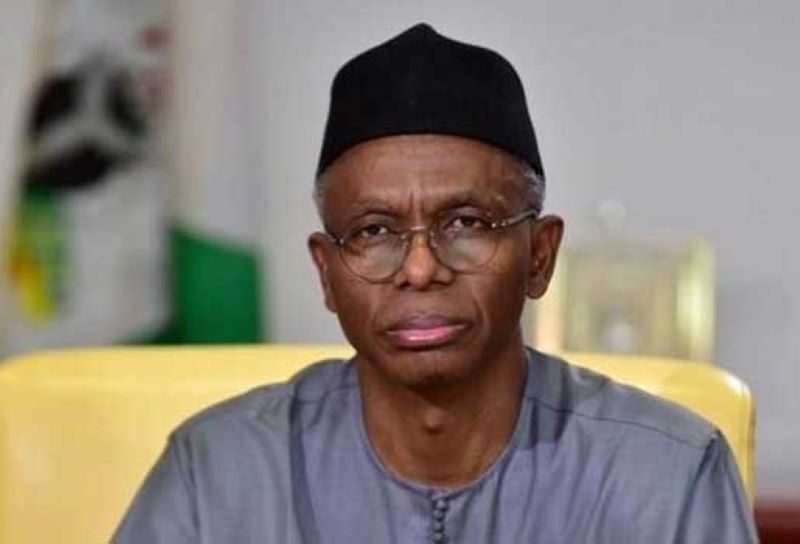
Curtain Raiser: A Governor's Fall from Grace
Curtain Raiser: A Governor's Fall from Grace
In the labyrinthine corridors of power in Nigeria, a once-revered figure, Nasir El-Rufai, the former Governor of Kaduna State, is set to face the harsh glare of public scrutiny. The whispers that have been circulating in the dusty streets of Kaduna and the marbled halls of Abuja are about to solidify into a tangible reckoning. As reported by Leadership Newspaper, El-Rufai, along with one Joel Adoga, will be arraigned before the Federal High Court in Kaduna on March 24, 2026, under the withering gaze of the Independent Corrupt Practices and Other Related Offences Commission (ICPC). The allegations against him resonate with the sordid tales of corruption that have long plagued Nigeria's political landscape, painting a picture of a fallen titan grappling with the gravity of his actions.
Tarnished Image: The Public and the Politician
The public persona of a governor, once polished by the adoration of constituents, is now marred by the allegations of corruption. The ICPC's resolve to arraign El-Rufai, as disclosed by their Head of Media and Public Communications, John Odey, in a statement echoed by TVC News, highlights the agency's commitment to combating graft. This act of bringing a former governor to account is not merely a legal proceeding; it is a seismic shift in Nigeria's political narrative, one that reflects the growing intolerance for corruption among the populace. The Peoples Gazette sheds light on the gravity of the charges, which include money laundering, conversion of public property, and possession of illicit wealth. These accusations, if proven, will not only stain El-Rufai's legacy but also serve as a stark reminder of the corrosive nature of corruption.
Divided We Stand: The Legal Tussle and its Implications
The journey to this moment has been fraught with legal battles, as detailed by Ripples Nigeria. El-Rufai's legal team has raised objections and filed suits, delaying the inevitable day in court. The delay, a thorn in the side of the ICPC, has only heightened the public's anticipation and frustration. The case is not just about the prosecution of one man but serves as a litmus test for Nigeria's judicial system and its ability to hold the powerful accountable. The charges, filed on March 18, 2026, as per Google News Nigeria, encompass a broad range of offenses that underscore the depth of the alleged corruption. The complexity of the case reflects the intricate web of deceit that has been spun, challenging the courts to unravel the truth.
A Tale of Two Courts: Federal and State Proceedings
The drama unfolds on two parallel stages, with the Federal High Court taking the spotlight on March 24, 2026. However, the script extends beyond federal confines, as the Kaduna State High Court also prepares to host another act in this legal saga. As reported by Daily Trust, El-Rufai and Amadu Sule will face charges of abuse of office, fraud, and intent to confer undue advantage. These charges, which touch on the heart of public service ethics, resonate with the everyday experiences of Nigerians who have borne the brunt of corruption's corrosive effects. The dual proceedings symbolize the multifaceted nature of corruption and the herculean task of uprooting it from the fabric of governance.
Echoes of the Past: Historical Precedents and the Path Forward
As Nigeria stands at the crossroads of its fight against corruption, the case of El-Rufai serves as a historical landmark. It is a reflection of the nation's commitment to change, as noted by experts who have observed the evolution of Nigeria's anti-corruption efforts. The arraignment is not just about the past; it is a beacon signaling the future. The case is a testament to the fact that no one, regardless of their status or contributions to the polity, is above the law. This principle, if upheld, will set a precedent that could reshape Nigeria's political and judicial landscape for generations to come.
The Verdict of History: The Future Implications of a Nation's Reckoning
As the legal proceedings unfold, the eyes of the nation and the world are fixed on Kaduna. The outcome of these trials will send ripples through Nigeria's political waters, affecting the trust of the populace in their institutions. A successful prosecution could mark a turning point in Nigeria's fight against corruption, bolstering the morale of anti-corruption agencies and inspiring a new generation of leaders committed to transparency and integrity. However, if the proceedings falter, they could reinforce the perception of impunity and further erode public trust. The stakes are high, and the world watches as Nigeria navigates this critical juncture in its fight for justice and the rule of law.
The Scale of Corruption in Nigeria: Understanding the Context
The evaluation of El-Rufai's case cannot be isolated from the broader context of corruption in Nigeria. As the nation grapples with systemic corruption that has historically plagued its development, the World Bank estimates that 40% of Nigeria’s annual budget is lost to corruption, equating to millions of dollars diverted from public services. This staggering figure underlines the urgency and complexity of Nigeria's anti-corruption crusade. The high-profile nature of El-Rufai's case serves as both a symbol and a test for the effectiveness of Nigeria's judicial system and its resolve to combat corruption.
Public Perception and the Role of the Judiciary
Public perception plays an immense role in the success of the anti-corruption drive in Nigeria. Transparency International's 2021 Corruption Perceptions Index ranked Nigeria 154th out of 180 countries, highlighting the public's perception of the widespread corruption. The El-Rufai case presents an opportunity for the judiciary to restore public faith by demonstrating its impartiality and commitment to justice. As Punch Nigeria reported, there is an overarching public sentiment that true justice can only be achieved when individuals in high positions are held accountable.
The Ripple Effect of Accountability
The impact of the El-Rufai case extends beyond the courtroom. The outcome could set a precedent for future cases, potentially inspiring a more aggressive stance against corruption in Nigeria's political sphere. Accountability at the highest level of government sends a strong message to public officials and civil servants that corruption will not be tolerated, a crucial step towards nurturing a culture of integrity and transparency, as advocated by experts in governance and anti-corruption initiatives.
Lessons from Other Regions: Anti-Corruption Strategies
Comparing Nigeria's approach to that of other nations can provide valuable insights. For instance, Singapore's success in reducing corruption is often attributed to a combination of strict laws, a strong anti-corruption agency, and a culture of zero tolerance for corruption. Nigeria can learn from such examples, incorporating a similar multi-pronged strategy that not only prosecutes corruption but also educates and instills a culture of integrity.
Public Trust and the Path to Sustainable Development
Public trust in government institutions is a vital component of sustainable development. As the United Nations Development Programme (UNDP) has shown in its reports, countries with high levels of corruption often struggle with economic development, social inequality, and political instability. Nigeria's anti-corruption efforts, exemplified by the El-Rufai case, are not just about punishing the corrupt but also about building an environment where public trust can flourish, fostering economic growth and social cohesion.
Conclusion: Facing the Challenge, Charting a New Course
The prosecution of El-Rufai and Amadu Sule is not merely a judicial proceeding; it is a pivotal moment in Nigeria's ongoing battle against corruption. It represents a test of the nation's commitment to justice, a reflection of its collective will to cleanse the system of graft, and a sign of hope for a future free from the shackles of corruption. The outcome will resonate with the people of Nigeria and the world, symbolizing either a step towards a more just and equitable Nigeria or a stark reminder of the challenges that remain.
📰 Sources Cited
- Leadership Newspaper: El-Rufai To Face ICPC In Kaduna Federal Court Tuesday
- Leadership Newspaper: ICPC Moves To Arraign El-Rufai Over Alleged Corruption Charges
- TVC News: ICPC To Arraign El-Rufai In Kaduna Tuesday
- Peoples Gazette: ICPC to arraign El-Rufai for alleged money laundering on Tuesday
- Ripples Nigeria: ICPC to arraign El-Rufai for alleged corruption Tuesday
- Google News Nigeria: ICPC to arraign El-Rufai Tuesday over alleged fraud, money laundering - The ICIR
- Daily Trust: ICPC to arraign El-Rufai in Kaduna
0 Comments
Sign in to commentNo comments yet. Be the first to share your thoughts!