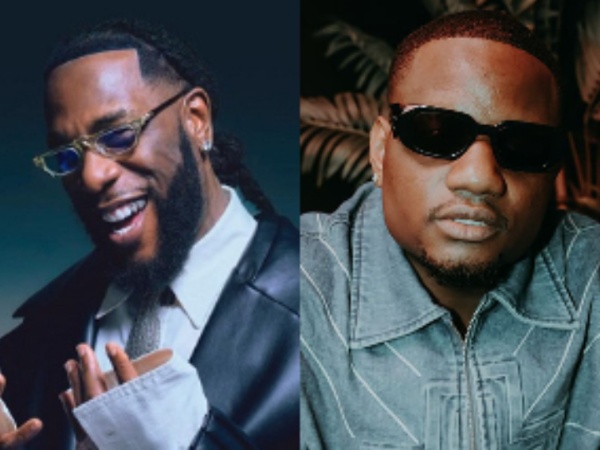
Echoes in the Lagos Night: The Nightclub Standoff Unfolds
Echoes in the Lagos Night: The Nightclub Standoff Unfolds
In the pulsating heart of Lagos, Nigeria's vibrant commercial capital, the rhythm of life is set by the beat of Afrobeats, a genre that has captured the world's attention. Yet, beneath the hypnotic rhythms and colorful lights of Obi’s House, a popular weekly Afrobeats gathering, discord erupted in a clash that reverberated beyond the nightclub's walls. The incident, a physical altercation between the internationally acclaimed Burna Boy and DJ Tunez, also known as Ogbafia, quickly escalated from a heated argument into a standoff, with members of Burna Boy's entourage allegedly joining the fray before onlookers intervened to restore a semblance of calm, as detailed by TVC News.
The Nigerian DJ Association (NDJ), in response to the incident, directed its members nationwide to temporarily remove songs by Burna Boy from their playlists, pending an investigation into the alleged altercation. This unprecedented move signaled a deep fracture within the entertainment industry, one that has piqued the curiosity of music enthusiasts and industry insiders alike, as reported by PM News Nigeria.
The Ripples of Rhyme and Rivalry: Unraveling the Underlying Tensions
The feud between Burna Boy and DJ Tunez, two giants of the Afrobeats scene, is not merely a personal spat; it is a microcosm of the industry's deep-seated rivalries and the pressures of fame. Speculation on social media suggests the dispute may be linked to longstanding industry tensions, particularly given DJ Tunez’s close association with Wizkid, another Nigerian music star often compared to Burna Boy by fans. Wizkid, who has weighed in on the fallout, indirectly referenced Burna Boy's relationship with American music executive Sean 'Diddy' Combs, further intensifying the situation, as Vanguard News reported.
The cultural and social implications of this rift are profound. Afrobeats is more than music; it is a cultural export that has put Nigeria on the global stage. The genre, with its roots in traditional African music, has evolved to incorporate contemporary sounds and styles, reflecting the dynamism and diversity of Nigerian society. The ban on Burna Boy's music by the NDJ, therefore, is not just a sanction but a silencing of a voice that has contributed significantly to Nigeria's cultural narrative.
The Melody of Media and Messaging: Public Posturing and Private Grievances
In the aftermath of the altercation, Burna Boy posted a video dancing to 'Money Constant,' altering the lyrics in a manner perceived as ridiculing DJ Tunez. This public posturing, while seemingly a playful jab, underscores the high-stakes game of reputation and respect within the music industry. The Nigerian DJ Association's decision to ban Burna Boy's songs, as announced by Premium Times, is a significant power play, reflecting the influence wielded by DJ collectives in shaping the industry's narrative and the cultural conversation.
The incident at Obi’s House and its aftermath have sparked a debate on the role of social media in exacerbating conflicts and the responsibility of public figures in maintaining decorum. The NDJ's directive to its members to remove Burna Boy's songs from their playlists is a stark reminder of the power of collective action in the digital age, where a single incident can lead to a nationwide boycott.
A Symphony of Silence: The Impact on the Industry and the Artists
The temporary ban on Burna Boy's music by the NDJ has sent ripples through the industry. DJs, who are the gatekeepers of the music scene, have been instructed to silence one of Nigeria's most prominent voices. This decision, as reported by Vanguard News, has not only impacted Burna Boy's immediate exposure but also raises questions about the autonomy of artists and the role of industry bodies in regulating artistic expression.
The economic implications of this discord are also significant. Afrobeats has become a lucrative industry, with global streaming platforms and record labels vying for a share of the market. The ban on Burna Boy's music could potentially affect his revenue streams and the overall value of Afrobeats as a cultural product. Furthermore, it underscores the vulnerability of artists to the whims of industry politics and the need for a more structured approach to conflict resolution within the entertainment sector.
Future Implications: A Blueprint for Resolution or a Prologue to Discord?
The ban on Burna Boy's music by the NDJ, while a temporary measure, raises questions about the future of the Afrobeats scene and the broader entertainment industry. Will this incident serve as a catalyst for a more robust framework for conflict resolution, or will it mark the beginning of a more fragmented and contentious landscape? The NDJ's statement on Instagram, condemning discrimination and hostility, while urging unity within the entertainment industry, suggests a desire for reconciliation and a more harmonious future.
As the dust settles on this clash of the Afrobeat Titans, the music industry must reflect on the broader implications for artistic freedom, the role of collective bodies, and the impact of public figures' conduct on their careers and the cultural narrative they help shape. The incident serves as a cautionary tale, reminding all stakeholders of the delicate balance between personal rivalries and professional responsibilities in the public eye. The future of Afrobeats and the legacy of its artists will be defined not only by the music they create but also by how they navigate the complex interplay of fame, rivalry, and cultural influence.
Navigating Fame and Rivalry: A Look at the Impact on Artists and Their Work
The recent decision by the Nigerian Disc Jockeys (NDJ) to ban the music of Burna Boy has sparked a heated debate on the autonomy of artists and the role of industry bodies in regulating artistic expression. This incident highlights the delicate balance between personal rivalries and professional responsibilities in the public eye. As Burna Boy's music is pulled from airwaves across the country, it's essential to consider the broader implications for artists and their careers.
Afrobeats, a genre that has gained global recognition in recent years, has been no stranger to controversies. From the feud between Wizkid and Davido to the ongoing debate over authenticity and cultural appropriation, the Afrobeats scene has often been at the center of public scrutiny. However, the ban on Burna Boy's music takes these disputes to a new level, with far-reaching consequences for the artist and the industry as a whole.
The Economic Fallout: Impact on Revenue Streams and Market Value
The economic implications of the ban on Burna Boy's music cannot be overstated. Afrobeats has become a lucrative industry, with global streaming platforms and record labels vying for a share of the market. According to a report by Nielsen Music, Afrobeats is one of the fastest-growing genres worldwide, with a significant impact on the global music industry. The ban on Burna Boy's music could potentially affect his revenue streams and the overall value of Afrobeats as a cultural product.
Furthermore, the incident underscores the vulnerability of artists to the whims of industry politics. As the music industry becomes increasingly competitive, artists must navigate the complex landscape of fame, rivalry, and cultural influence. The need for a more structured approach to conflict resolution within the entertainment sector has never been more apparent.
Lessons for the Afrobeats Scene and the Entertainment Industry
The incident serves as a cautionary tale for the Afrobeats scene and the broader entertainment industry. It reminds all stakeholders of the delicate balance between personal rivalries and professional responsibilities in the public eye. The music industry must reflect on the broader implications for artistic freedom, the role of collective bodies, and the impact of public figures' conduct on their careers and the cultural narrative they help shape.
As the dust settles on this clash of the Afrobeat Titans, it remains to be seen whether this incident will serve as a catalyst for a more robust framework for conflict resolution or mark the beginning of a more fragmented and contentious landscape. The NDJ's statement on Instagram, condemning discrimination and hostility, while urging unity within the entertainment industry, suggests a desire for reconciliation and a more harmonious future.
In conclusion, the ban on Burna Boy's music by the NDJ has far-reaching implications for the Afrobeats scene, the entertainment industry, and the artists at the center of this controversy. It highlights the need for a more structured approach to conflict resolution and the importance of maintaining artistic freedom and autonomy. As the music industry continues to evolve, it must strike a delicate balance between personal rivalries and professional responsibilities in the public eye. The future of Afrobeats and the legacy of its artists will be defined not only by the music they create but also by how they navigate the complex interplay of fame, rivalry, and cultural influence.
📰 Sources Cited
- Vanguard News: Wizkid breaks silence after Burna Boy, DJ Tunez fight
- TVC News: DJ Association Suspends Burna Boy’s Songs Over Alleged Clash With DJ Tunez
- PM News Nigeria: DJ Tunez speaks on clash with Burna Boy
- Premium Times: Nigerian DJs association bans members from playing Burna Boy’s songs over altercation with DJ Tunez
- Vanguard News: Nigerian DJs ban Burna Boy’s songs from playlists after clash with DJ Tunez
0 Comments
Sign in to commentNo comments yet. Be the first to share your thoughts!