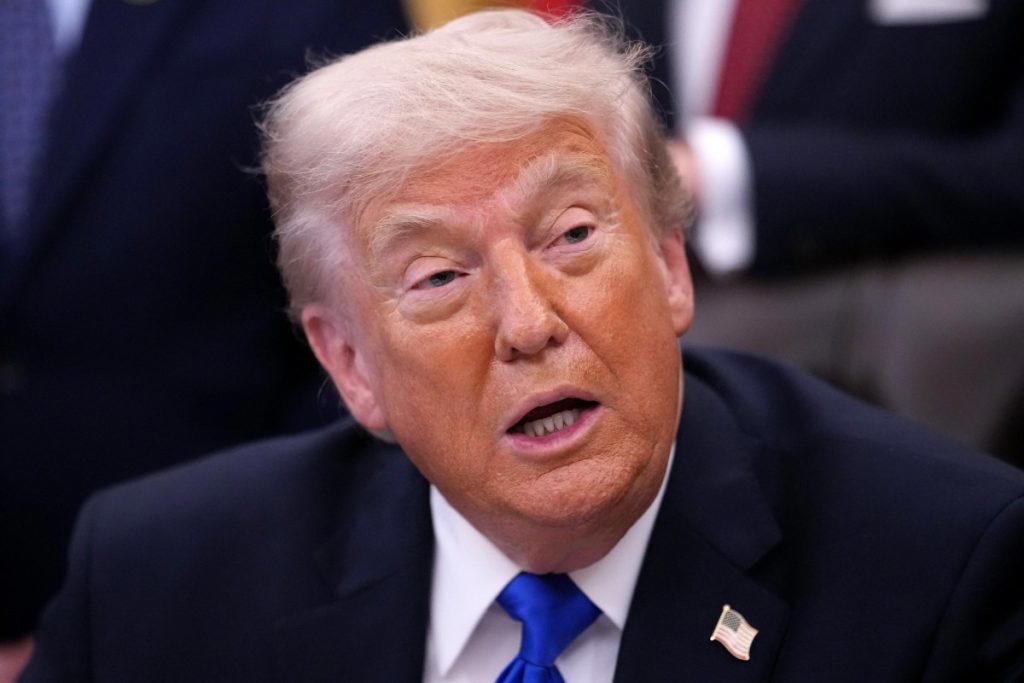
The Strait of Hormuz, a vital waterway connecting the Persian Gulf to the Arabian Sea, has long been a flashpoint in the tumultuous relationship between the United States and Iran. As the world watches with bated breath, the two nations have been engaged in a delicate dance, with each side taking careful steps to avoid escalating the conflict. According to Al Jazeera Africa, United States forces have launched a series of attacks on Iranian missile sites and boats, sparking concerns of a wider war. Meanwhile, an Iranian delegation has been holding talks in Qatar, seeking to extend a ceasefire that has been in place since April 8. As reported by Vanguard News, United States Secretary of State Marco Rubio has stated that a deal to end the war with Iran could materialize in a matter of days, but Iran's Foreign Ministry spokesman, Baghaei, has cautioned that a deal is not imminent. With the stakes higher than ever, the international community is holding its collective breath, waiting to see if the two nations can find a way to resolve their differences and restore peace to the region. The United States has imposed a blockade on Iran's ports, while Iran has imposed controls on Gulf shipping, further complicating the situation.
As experts point out, the conflict has significant implications for the global economy, with the price of oil already beginning to rise. According to analysts, a prolonged war could have devastating consequences for the world economy, with some estimating that the cost of a war could exceed $1 trillion. As the negotiations continue, the world waits with bated breath, hoping that the two nations can find a way to resolve their differences and avoid a catastrophic conflict. The United States president has made a statement about a potential agreement with Tehran, saying that any deal would be "good and proper." However, with the clock ticking, it remains to be seen if the two nations can find common ground. As one official noted, "The negotiations are proceeding in an orderly and constructive manner, and I have informed my representatives not to rush into a deal, as time is on our side." With the fate of the region hanging in the balance, the world can only watch and wait, hoping that the delicate dance of United States-Iran relations will not erupt into a full-blown war.
The Economic Backdrop: Oil, Trade, and the Global Economy
The conflict between the United States and Iran has significant implications for the global economy, with the price of oil already beginning to rise. As reported by Al Jazeera Africa, the United States has imposed a blockade on Iran's ports, while Iran has imposed controls on Gulf shipping, further complicating the situation. According to experts, a prolonged war could have devastating consequences for the world economy, with some estimating that the cost of a war could exceed $1 trillion. The Strait of Hormuz, a vital waterway connecting the Persian Gulf to the Arabian Sea, is a critical chokepoint for the global oil trade, with over 20% of the world's oil passing through it. As analysts point out, any disruption to the flow of oil through the strait could have significant implications for the global economy, with the price of oil already beginning to rise. The United States has been seeking to reduce its dependence on Iranian oil, but the conflict has made it difficult for other countries to fill the gap. As one official noted, "The global economy is already facing significant challenges, and a war between the United States and Iran could be the straw that breaks the camel's back." With the fate of the region hanging in the balance, the world can only watch and wait, hoping that the two nations can find a way to resolve their differences and avoid a catastrophic conflict.
According to Vanguard News, the United States president has made a statement about a potential agreement with Tehran, saying that any deal would be "good and proper." However, with the clock ticking, it remains to be seen if the two nations can find common ground. As reported by PM News Nigeria, the United States and Iran have agreed in principle to reopen the Strait of Hormuz, but the details of the agreement remain unclear. With the global economy hanging in the balance, the world can only wait and see if the two nations can find a way to resolve their differences and restore peace to the region.
The Cultural and Social Dimension: Identity, Values, and the Grassroots
The conflict between the United States and Iran has significant implications for the cultural and social fabric of the region. As reported by Al Jazeera Africa, the conflict has already had a significant impact on the lives of ordinary people, with many facing significant challenges in their daily lives. According to experts, the conflict has also had a significant impact on the region's cultural heritage, with many historical sites and cultural institutions already damaged or destroyed. The conflict has also raised significant questions about identity and values, with many in the region wondering what the future holds for their communities. As one analyst noted, "The conflict has already had a significant impact on the social fabric of the region, and it remains to be seen if the two nations can find a way to resolve their differences and restore peace to the region." With the fate of the region hanging in the balance, the world can only watch and wait, hoping that the two nations can find a way to resolve their differences and avoid a catastrophic conflict. According to Vanguard News, the United States president has made a statement about a potential agreement with Tehran, saying that any deal would be "good and proper." However, with the clock ticking, it remains to be seen if the two nations can find common ground.
As reported by PM News Nigeria, the United States and Iran have agreed in principle to reopen the Strait of Hormuz, but the details of the agreement remain unclear. With the cultural and social fabric of the region hanging in the balance, the world can only wait and see if the two nations can find a way to resolve their differences and restore peace to the region. The conflict has also raised significant questions about the role of the international community in resolving the conflict, with many wondering if the world is doing enough to support the people of the region. As one official noted, "The international community has a significant role to play in resolving the conflict, and it remains to be seen if we can find a way to support the people of the region and restore peace to the area."
The Technological and Informational Battlefield: Cyberwarfare and Disinformation
The conflict between the United States and Iran has also been waged on the technological and informational battlefield, with both sides engaging in cyberwarfare and disinformation campaigns. As reported by Al Jazeera Africa, the United States has accused Iran of launching a series of cyberattacks on American targets, while Iran has accused the United States of engaging in a disinformation campaign to undermine the Iranian government. According to experts, the conflict has already had a significant impact on the global cybersecurity landscape, with many wondering if the two nations can find a way to resolve their differences and avoid a catastrophic conflict. The use of social media and other digital platforms has also played a significant role in the conflict, with both sides using these platforms to spread propaganda and disinformation. As one analyst noted, "The conflict has already had a significant impact on the global cybersecurity landscape, and it remains to be seen if the two nations can find a way to resolve their differences and restore peace to the region." With the fate of the region hanging in the balance, the world can only watch and wait, hoping that the two nations can find a way to resolve their differences and avoid a catastrophic conflict.
According to Vanguard News, the United States president has made a statement about a potential agreement with Tehran, saying that any deal would be "good and proper." However, with the clock ticking, it remains to be seen if the two nations can find common ground. As reported by PM News Nigeria, the United States and Iran have agreed in principle to reopen the Strait of Hormuz, but the details of the agreement remain unclear. With the technological and informational battlefield hanging in the balance, the world can only wait and see if the two nations can find a way to resolve their differences and restore peace to the region. The conflict has also raised significant questions about the role of technology in modern warfare, with many wondering if the use of cyberwarfare and disinformation campaigns is a legitimate tactic in modern conflict. As one official noted, "The use of technology in modern warfare is a complex and multifaceted issue, and it remains to be seen if the two nations can find a way to resolve their differences and avoid a catastrophic conflict."
Future Implications: A Blueprint for Peace or a Band-Aid on a Bullet Wound?
As the conflict between the United States and Iran continues to unfold, the world can only watch and wait, hoping that the two nations can find a way to resolve their differences and avoid a catastrophic conflict. According to Al Jazeera Africa, the United States and Iran have agreed in principle to reopen the Strait of Hormuz, but the details of the agreement remain unclear. With the fate of the region hanging in the balance, the world can only wait and see if the two nations can find a way to resolve their differences and restore peace to the region. The conflict has significant implications for the global economy, with the price of oil already beginning to rise. As experts point out, a prolonged war could have devastating consequences for the world economy, with some estimating that the cost of a war could exceed $1 trillion. The conflict has also raised significant questions about the role of the international community in resolving the conflict, with many wondering if the world is doing enough to support the people of the region. As one official noted, "The international community has a significant role to play in resolving the conflict, and it remains to be seen if we can find a way to support the people of the region and restore peace to the area." With the clock ticking, it remains to be seen if the two nations can find common ground and avoid a catastrophic conflict.
The United States president has made a statement about a potential agreement with Tehran, saying that any deal would be "good and proper." However, with the details of the agreement remaining unclear, it remains to be seen if the two nations can find a way to resolve their differences and restore peace to the region. As the world waits with bated breath, one thing is clear: the conflict between the United States and Iran has significant implications for the future of the region and the world, and it remains to be seen if the two nations can find a way to resolve their differences and avoid a catastrophic conflict.
📰 Sources Cited
- Al Jazeera Africa: Rubio says Iran deal could take days after United States forces launch new attacks
- Al Jazeera Africa: Iran says deal with United States ‘not imminent’ despite progress
- Vanguard News: United States says Iran deal still possible, as Trump tempers expectations
- Al Jazeera Africa: Iran war day 88: United States attacks near Strait of Hormuz; talks under way in Qatar
- Al Jazeera Africa: LIVE: Trump says Iran deal not ‘fully negotiated yet’
- PM News Nigeria: United States, Iran agree deal in principle to finally reopen Strait of Hormuz
- Al Jazeera Africa: Trump says any deal with Iran will be ‘great and meaningful’
0 Comments
Sign in to commentNo comments yet. Be the first to share your thoughts!